Is It Time to Aerate and Fall See Your Lawn?
Summer heat can leave a lawn thin, patchy, and compacted. For many cool-season lawns, September’s warm soil and cooler air create the right conditions for aeration and overseeding. Learn how proper aeration, the right grass seed, and a consistent watering schedule can help repair summer damage and build a healthier lawn for spring.
Published August 27, 2026
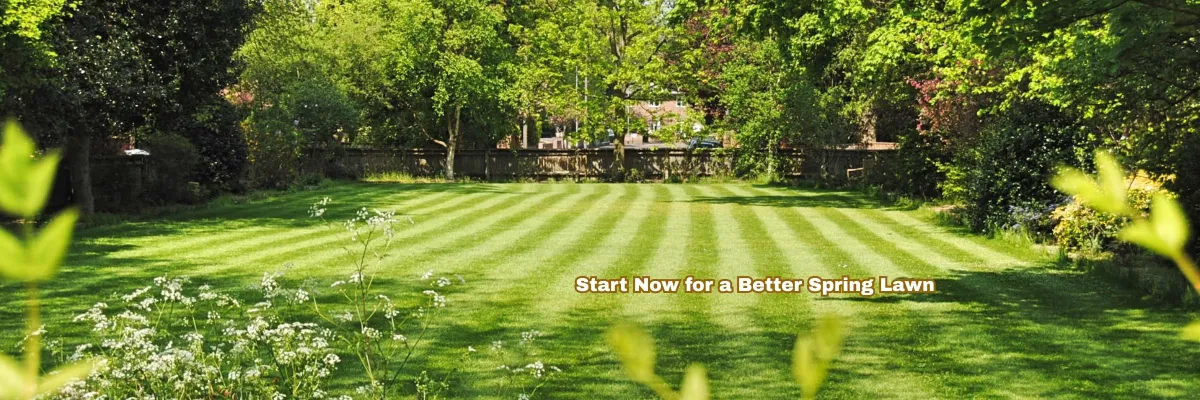
By September, many lawns are showing exactly what summer did to them.
Thin grass, bare patches, hard soil, and areas that never quite bounced back are all signs that your lawn may need more than another round of watering.
For many cool-season lawns, September is one of the best times to aerate and overseed. The soil is still warm enough for seeds to germinate, but the cooler air puts less stress on young grass. It is a good combination for repairing summer damage and building a thicker lawn before winter.
Why Aeration Comes First
Soil naturally becomes compacted over time. Foot traffic, lawn equipment, pets, and even regular outdoor activity can press the soil together. When that happens, water, oxygen, and nutrients have a harder time reaching the roots.
Core aeration removes small plugs of soil from the lawn and creates openings where those essentials can get through. It also gives new seed better contact with the soil.
The lawn should be moist but not muddy before aeration. And do not worry about the small plugs left behind. They may look a little messy at first, but they will break down naturally.
Which Grass Seed Should You Use?
The best seed depends on your climate, sunlight, soil, and existing grass. Common cool-season choices include:
Tall fescue for durability and heat tolerance
Kentucky bluegrass for a dense, attractive lawn
Perennial ryegrass for quicker germination
Seed blends for yards with both sun and shade
Choose high-quality seed with a low percentage of weed seed. Matching it to your existing lawn will also help the new growth blend in naturally.
Warm-season grasses follow a different schedule, so September overseeding is not right for every lawn or every region.
Do Not Let the New Seed Dry Out
Watering is where many overseeding projects succeed or fail. New seed needs steady moisture, especially during the first couple of weeks.
Water lightly two or three times each day, adjusting for rain, temperature, and soil conditions. Keep the surface damp without creating puddles or washing the seed away. Once the grass begins growing, water less often but more deeply.
Avoid heavy foot traffic, and wait until the new grass reaches about three inches before mowing.
Start Now for a Better Spring Lawn
The important thing is not to wait until your lawn looks completely worn out. A little work in September can make a noticeable difference now—and save you from trying to rebuild the yard next spring.